

Your agentic semantic layer and ETL platform
Loomkindle connects to your warehouses, discovers schemas agentically, compiles declarative transformations to warehouse-native SQL, and publishes every metric definition as a governed, versioned API.
Analytics teams are spending most of their time maintaining pipelines they did not want to write
Analytics engineers and data platform leads at mid-market companies running 3–8 data sources spend 60–70% of engineering time hand-crafting fragile ETL scripts and manually maintaining semantic mappings between source schemas and downstream BI layers.
Every schema change upstream silently breaks dashboards. The mean time to detect that breakage is measured in hours, not seconds. And there is no authoritative semantic layer connecting raw warehouse tables to business definitions — so the same metric means different things to Finance, Product, and Operations. The result is not just wasted engineering time. It is business decisions made on metrics that quietly diverged from their definitions months ago.
From raw warehouse to governed metric catalog — in three stages
Loomkindle handles the full semantic pipeline: ingesting your existing warehouse structure, reasoning over column context, compiling your business logic to auditable SQL, and publishing every output metric as a first-class API resource.
Connect your warehouses and read existing structure
Loomkindle connects to your existing data warehouses — Snowflake, BigQuery, Redshift, DuckDB — and reads source table schemas, column lineage metadata, and existing dbt model definitions via native connectors. No data leaves your warehouse perimeter. Loomkindle reads schema metadata only; query execution happens inside your warehouse environment. Setup takes under 20 minutes for a typical three-source stack. Once connected, the agent runs its first full schema discovery pass and produces a proposed canonical mapping for your review.
Agent discovers semantics, you declare business logic
Loomkindle's agentic semantic engine runs schema discovery, proposes canonical metric definitions using LLM-assisted column-context reasoning, and applies configurable transformation rules. You review proposed mappings, approve or adjust in a pull-request-style interface, and declare metric derivations in a human-readable YAML graph. The engine compiles your declarations to optimized, warehouse-native SQL — with incremental load plans, late-arrival windows, and idempotent retry logic built in. No hand-written pipeline code required. Validates referential integrity end-to-end before any data moves.
Governed output lands where your BI tools read it
Clean, semantically annotated tables land in a governed output layer your BI tools — Looker, Tableau, Metabase, Superset — query directly. A semantic catalog publishes every metric definition, lineage graph, and freshness SLA as a machine-readable REST and GraphQL API your analytics engineers own. Every metric carries a configurable freshness SLA; breach detection pages on-call via Slack or PagerDuty with full metric context — not just a table name. The catalog is versioned and diff-able, so you always know when a definition changed and why.
Six capabilities that replace the entire fragile-pipeline playbook
Each capability addresses a specific failure mode that analytics teams encounter as their data stack scales past a single engineer and a handful of sources.
Agentic Schema Discovery
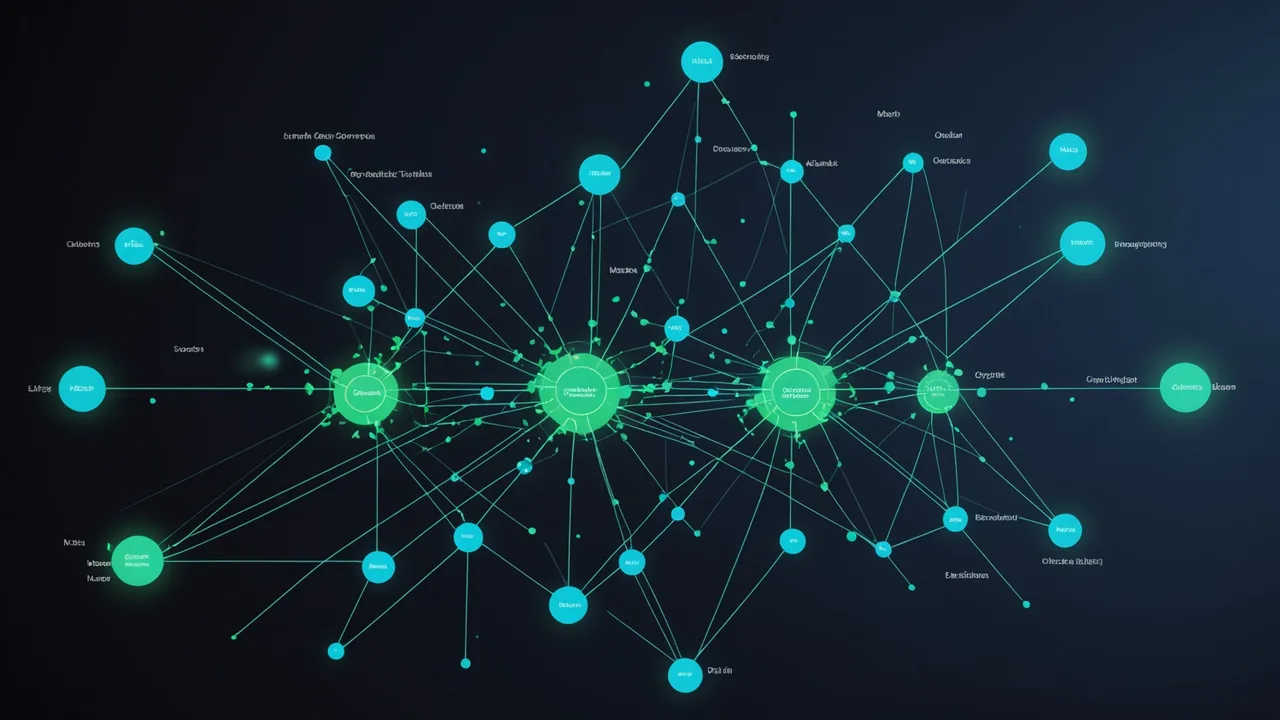
Loomkindle's agent continuously inspects source schemas and proposes semantic mappings using column name, data type, and sample value context. When upstream tables add or rename columns, the agent raises a pull-request-style review — you approve or adjust in 45 minutes instead of discovering breakage at month-end. Discovery runs on initial connect and on every incremental schema diff, so your catalog stays authoritative without manual upkeep.

Declarative Transformation Engine
Rather than hand-coding SQL transformation chains, analytics engineers declare metric derivations in a human-readable YAML graph. Loomkindle compiles these declarations to optimized, warehouse-native SQL, generates incremental load plans, and produces a fully auditable diff when business logic changes. The compiled SQL is committed to your git repo, so there are no black-box transformations — only code your team wrote, reviewed, and owns.
Semantic Catalog API
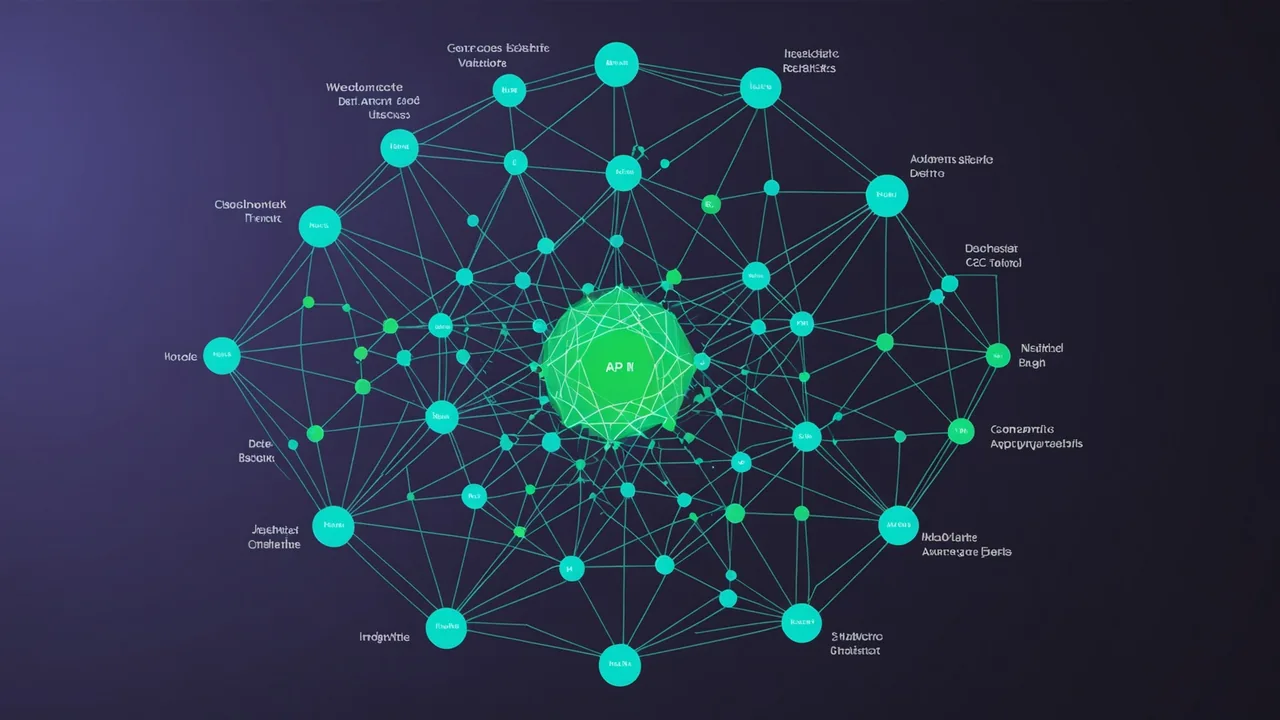
Every metric Loomkindle manages is published as a first-class API resource: definition, derivation logic, upstream lineage, downstream consumers, freshness SLA, and owner contact. BI tools and data apps query the catalog to resolve metric names to SQL fragments — eliminating copy-paste logic drift across 12 dashboards. The catalog is versioned and diff-able so analytics leads can audit exactly when and why a metric definition changed.

Incremental Load Orchestration
Loomkindle's orchestrator manages high-watermark state, detects schema drift mid-run, applies configurable late-arrival windows, and retries idempotently without double-counting. You configure load frequency, partition granularity, and error thresholds in YAML; Loomkindle handles the rest. Runs integrate with Airflow, Prefect, and GitHub Actions via a lightweight hook — or run standalone on the embedded scheduler.
Metric Freshness SLA Monitoring
Each managed metric carries a configurable freshness SLA. Loomkindle monitors load completion timestamps against expected intervals, pages on-call via Slack or PagerDuty when SLAs breach, and surfaces a remediation trace pointing directly to the failed load step. Unlike generic pipeline alerts, freshness alerts carry full metric context — so the on-call engineer knows exactly which business metric is affected, not just which table failed.


Data Contract Enforcement
Analytics engineers define data contracts specifying nullability, value ranges, cardinality constraints, and required columns for each output table. Loomkindle evaluates contracts on every incremental run and blocks promotion to the governed layer when contracts fail. Contract violations surface as structured JSON reports consumed by CI pipelines, Slack, or the catalog API — giving upstream producers actionable, schema-level feedback before consumers ever see broken data.
Built to fit your existing stack
Native connectors to the warehouses, transformation tools, BI layers, and orchestration platforms your team already uses — no rip-and-replace required.
Built for the analytics engineer managing 3–10 data sources
Loomkindle is designed for a specific team size and complexity band. Understanding whether it fits your situation takes less than two minutes.
Analytics engineers and data platform leads
At B2B SaaS, fintech, and healthtech companies with 50–500 employees and $10M–$150M ARR. You are running 3–10 data sources with a 1–4 person analytics engineering team. You have a cloud data warehouse, at least one BI tool, and more ETL maintenance burden than your team should be carrying.
50–500 employees, $10M–$150M ARR
Large enough to have invested in a cloud data warehouse but small enough that a dedicated 20-person data engineering org is not in the budget. You need production-grade semantic layer infrastructure without the enterprise procurement cycle or the engineering headcount to build it yourself.
Three situations where Loomkindle is not the right choice
Single-analyst teams using off-the-shelf BI connectors who have not outgrown point-and-click ETL tools. Enterprises with dedicated 20-plus-person data engineering orgs who have the capacity to build and maintain their own semantic layer. Teams not yet on a cloud data warehouse — Loomkindle requires a warehouse as the execution environment.
See the semantic layer in your warehouse.
Connect Loomkindle to your Snowflake, BigQuery, or Redshift environment and get your first governed metric catalog in under a day. No migration required.